Ethereum Economic Zone: The Next Step in Ethereum’s Multi‑Chain Future
CHXcel Team
Published 1 April 2026 · Reviewed by Blockchain Research Analyst
Introduction
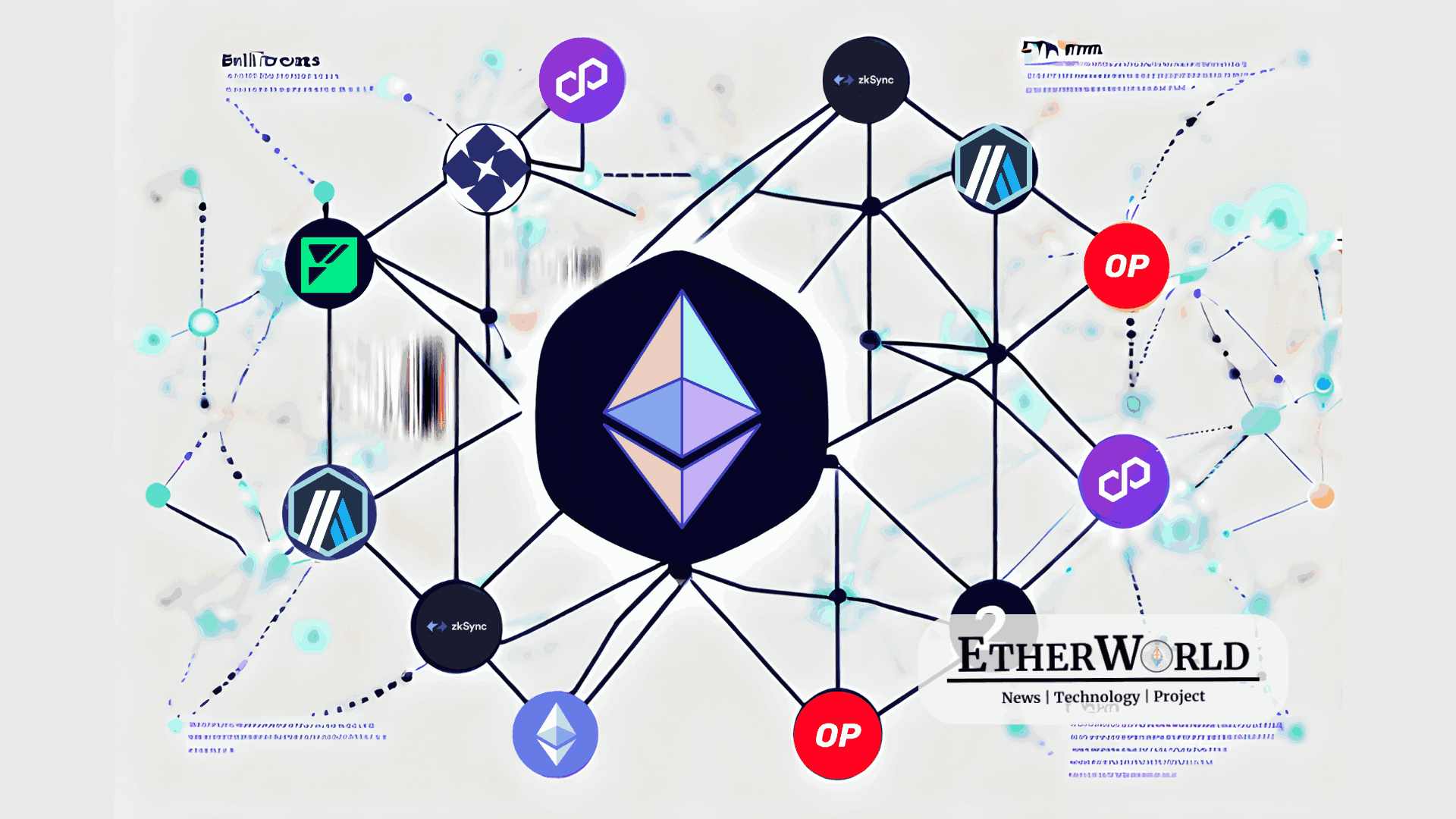
Over the past few years, Ethereum has quietly become a sprawling ecosystem of Layer‑2 networks: rollups, sidechains, and application‑specific chains that all share the same consensus backbone but live in separate economic bubbles. The result has been explosive growth in throughput and lower fees—but also a growing fragmentation problem. Enter the Ethereum Economic Zone (EEZ), a new framework unveiled at EthCC in Cannes on March 29–30, 2026, that aims to stitch those fragmented chains back into a single, unified economic environment.
For anyone following Ethereum’s evolution, the EEZ is shaping up as one of the most important infrastructure narratives of 2026.
What the Ethereum Economic Zone Actually Is
The Ethereum Economic Zone is a rollup‑centric framework developed by Gnosis and Zisk, with backing and co‑funding from the Ethereum Foundation. At its core, the idea is simple: instead of treating each Layer‑2 as an isolated island, the EEZ treats them all as extensions of a single economic zone anchored to Ethereum mainnet.
Each L2 in the EEZ can interact directly with other L2s and with Ethereum L1 inside one atomic transaction, using ETH as the shared gas token across the entire ecosystem. This means that protocols, assets, and liquidity can move between chains without relying on the traditional web of bridges that have historically fragmented user flows and added friction.
From a user perspective, the EEZ could eventually feel less like “switching chains” and more like using different parts of the same network—without the constant mental overhead of wrapping tokens, paying bridge fees, or dealing with confirmation lags.
Why This Matters Right Now
Ethereum’s shift to a rollup‑centric roadmap has already delivered on its promise of scalability. However, the side effect has been an increasingly fragmented landscape: dozens of L2s, each with its own deployments, liquidity pools, and bridging layers. This fragmentation weakens composability, complicates UX, and exposes users to more attack surfaces and operational friction.
The EEZ is positioned as structural infrastructure to address that “fragmentation crisis,” especially as core contributors like Vitalik Buterin have repeatedly stressed the need for deeper integration between L2s and the base layer. By enabling synchronized operations and real‑time proof of Ethereum blocks across the zone, EEZ could reinforce ETH’s role as the settlement asset for the entire ecosystem and help stabilize Ethereum’s economic model, which has been under pressure as more value migrates off‑mainnet.
For developers and protocols, that means a more cohesive multi‑chain environment where code, assets, and liquidity can flow more freely—without sacrificing Ethereum’s security guarantees.
Early Traction and What to Expect
At launch, the EEZ is being framed as the foundation for a broader “EEZ Alliance,” bringing together L2 teams, DeFi protocols, and infrastructure providers to co‑define standards and governance. Aave and other major DeFi players are already mentioned as founding or early supporters, signaling that large‑scale DeFi and stablecoin stacks will likely be among the first core use‑cases plugged into the zone.
The project is still in its early rollout phase. The immediate focus is on technical specification, test‑network integration, and onboarding the first wave of leading rollups rather than a full “mainnet‑ready for all L2s” rollout. That means the next several months will be critical: watch for governance design, security audits, and how many L2s commit to adopting the EEZ framework as a common standard.
A Short Conclusion
The Ethereum Economic Zone doesn’t try to replace Ethereum’s existing rollup ecosystem; instead, it tries to make that ecosystem finally feel like one cohesive network rather than a collection of disconnected chains. If it gains broad adoption, it could become a key piece of infrastructure that underpins Ethereum’s next‑wave narrative: a multi‑chain world where complexity is hidden from users, liquidity is unified, and ETH remains the economic backbone.
Enjoying this article?
Get more like this in your inbox every week.
CHXcel Team
Digital Education Expert at CHXcel
Passionate about making complex digital topics accessible and actionable for everyone.
View all articles